ENERGY POWERED BY NATURE

ENERGY POWERED BY NATURE
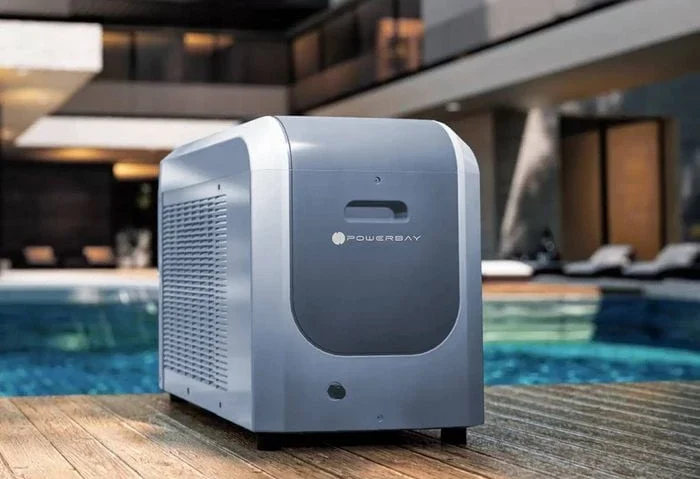
Keeping a swimming pool comfortable takes more than a reliable circulation pump. Water temperature, filtration and sanitation all play a part, yet these functions often rely on separate pieces of equipment.
The PowerBay Pool Master All-in-One Pool Heat Pump brings heating, cooling, water circulation, filtration and salt chlorination together in one compact system. Designed for compatible smaller pools and spas, it offers an alternative for Australian pool owners who want to simplify equipment management without giving up temperature control or everyday water care.

Essentials of Pool Maintenance: More Than Just a Pool Pump
A swimming pool pump plays an important role in maintaining water quality. It circulates water through the filtration system, helping remove suspended particles and distribute sanitising chemicals throughout the pool.
Heating and cooling serve a different purpose. While a circulation pump keeps water moving, a pool heater manages water temperature so the pool can remain comfortable when the weather changes.
For many pool owners, this means managing separate circulation, filtration, sanitisation and heating equipment. An integrated system can bring these functions together, although the right setup still depends on the pool’s size, existing connections and water treatment requirements.
What Is the PowerBay Pool Master?
The PowerBay Pool Master is an all-in-one pool heat pump that combines four equipment functions: a reversible heat pump, circulation pump, cartridge filter and salt chlorinator.
Unlike a standalone pool pump and filter, the Pool Master can also heat or cool the water. Its integrated design reduces the need to purchase and connect these functions as entirely separate units.
The system is intended for compatible smaller pools, including above-ground pools, plunge pools, spas and ice baths. PowerBay’s current technical specifications list a maximum pool volume of 10,000 litres, making it particularly relevant to smaller installations rather than large residential swimming pools.
Key Features of the PowerBay Pool Heat Pump
The Pool Master combines temperature control with essential water care functions. Each component has a different role in maintaining a comfortable swimming environment.
Heating and cooling
The built-in 5kW reversible Full Inverter heat pump provides both heating and cooling. It can warm pool water when temperatures drop or operate in cooling mode when the water becomes warmer than desired.
Water circulation
An integrated circulation pump moves water through the system, with a published flow rate of 2,300 litres per hour. Circulation supports filtration, water treatment and temperature distribution.
Cartridge filtration
The built-in cartridge filter captures particles and debris as water circulates. Bringing filtration into the same unit can simplify the equipment arrangement, although the filter still needs regular inspection and cleaning.
Salt chlorination
The salt chlorinator produces chlorine through electrolysis, with a listed maximum production rate of 5g per hour. This provides an automated method of sanitisation, but correct salt levels and water chemistry remain essential.
Wi-Fi and onboard controls
The Pool Master includes Wi-Fi connectivity and a built-in control panel. Supported settings can be managed through the connected app or adjusted directly on the unit, making temperature control more convenient.
The Technology Behind the Pool Master
The Pool Master’s reversible heat pump uses electricity to transfer heat between the surrounding air and pool water. Rather than generating all its heat directly through an electric resistance element, it operates through a refrigeration cycle.
PowerBay lists a heating capacity of 5kW and a rated coefficient of performance (COP) of 5.53. COP describes the relationship between heat delivered and electrical energy consumed under specified conditions. The actual efficiency of a pool heat pump changes with air temperature, water temperature and operating demand.
It is also important to distinguish the individual components’ power ratings. The published 140W figure relates to the circulation pump, not the electricity consumption of the entire Pool Master while heating or cooling. PowerBay lists a maximum system power of 1.25kW in its current technical specifications.
Full Inverter technology allows the heat pump to adjust its operation in response to heating or cooling demand. This can help manage energy consumption, although actual running time and efficiency still depend on the pool conditions and selected temperature.
Easy Maintenance Without Managing Multiple Separate Units
The main convenience of the PowerBay Pool Master is having several pool functions housed together. Circulation, filtration, salt chlorination and temperature control can be managed through one integrated system instead of several standalone units.
That does not mean the pool becomes maintenance-free. Filter cartridges still collect debris, the salt chlorinator requires suitable water conditions, and pool owners need to monitor water chemistry to maintain safe and effective sanitation.
Regular maintenance also helps protect the equipment itself. Cleaning the filter, checking water circulation and maintaining the recommended salt and chemical levels can reduce the likelihood of problems caused by restricted flow or unsuitable water conditions.
Why the Pool Master Can Suit Australian Pools
Australia’s swimming pools vary considerably, from compact plunge pools and above-ground installations to larger in-ground systems. Not every pool requires the same heating capacity, circulation rate or equipment configuration.
The PowerBay Pool Master is most relevant to owners of compatible smaller pools who want heating, cooling and water care functions within one compact setup.
Its connection options include a 10A plug and 32/38mm hose connections, which can simplify integration with suitable pool configurations. However, the connections and installation location still need to meet the manufacturer’s requirements and applicable Australian electrical and pool installation rules.
The position of the unit matters as well. A pool heat pump needs adequate airflow, a stable base, suitable drainage and enough access for servicing. Placing equipment too close to walls, windows or other obstructions can affect its operation and the comfort of nearby living areas.
PowerBay’s published technical specifications list a noise level of no more than 35dB at a distance of 10 metres. This provides a reference when considering the installation location, although sound levels experienced at a property will depend on operating conditions, distance and the surrounding environment.
For households with limited space around the pool, the ability to combine several functions into one system may be particularly useful. The important consideration is whether the equipment suits the pool’s actual water volume and plumbing arrangement.
Environmental Impact and More Efficient Pool Care
Heating swimming pool water can require considerable energy, particularly when the pool is uncovered or the desired water temperature is much higher than the surrounding air.
A heat pump can provide an efficient alternative to conventional electric resistance heating because it transfers heat rather than producing all of it directly from electricity. Full Inverter operation allows the Pool Master to respond to changing temperature demand, although its efficiency will vary with the conditions.
A pool cover can also make a substantial difference. By reducing evaporation and heat loss from the water surface, a suitable cover can reduce the heating required to maintain a comfortable temperature.
The Australian Government’s pool pump and pool maintenance guidance explains how pool covers, appropriate heating practices and regular maintenance can help reduce energy and water use.
For homes with rooftop solar, scheduling suitable pool heating periods around solar generation may also reduce the amount of electricity purchased from the grid. The benefit depends on available solar power, heating requirements and the household’s electricity tariff.
Running Costs and Long-Term Value
An all-in-one pool heat pump can reduce the number of separate equipment units needed for a compatible pool setup. However, the initial purchase price alone does not determine whether it offers better long-term value.
Running costs depend on the size of the pool, the temperature you want to maintain, ambient conditions, heating and cooling hours, electricity prices and whether the pool is covered.
For example, a small covered plunge pool that only needs occasional heating will have a very different energy demand from a larger uncovered pool that must be kept warm during colder weather. The same equipment can therefore produce different electricity costs in different homes.
The Pool Master’s integrated circulation, filtration and salt chlorination may also simplify equipment management, although maintenance requirements do not disappear. When comparing it with separate systems, consider the combined equipment cost, installation requirements, expected energy use, servicing needs and warranty coverage.
For exact specifications and current warranty documents, refer to the PowerBay Pool Master product page.
Conclusion
The PowerBay Pool Master offers a practical combination of pool heating, cooling, circulation, filtration and salt chlorination for compatible smaller Australian pools and spas. Its integrated design is especially relevant where equipment space and day-to-day convenience matter.
The right choice still depends on pool volume, plumbing compatibility, installation conditions and the level of temperature control required.
Explore the PowerBay Pool Master All-in-One Pool Heat Pump for technical details, or contact PowerBay to discuss whether the system suits your pool.
Frequently Asked Questions
Is the PowerBay Pool Master a Pool Pump or a Pool Heater?
It is an integrated pool heat pump system rather than only a circulation pump. The Pool Master combines heating, cooling, water circulation, filtration and salt chlorination in one unit.
Can the PowerBay Pool Master Replace an Existing Pool Pump and Filter?
It may be suitable for replacing separate equipment in a compatible smaller pool setup. However, the pool’s water volume, existing plumbing, connection sizes and required filtration performance must be assessed before replacing the current system.
Can the Pool Master Be Installed Outdoors?
The Pool Master is intended for installation in a suitable pool equipment location, subject to the manufacturer’s requirements. The unit needs adequate ventilation, drainage and service access, and electrical connections must be installed appropriately.
Avoid covering or enclosing the heat pump in a way that restricts airflow.
Why Might a Pool Pump or Heat Pump Make Unusual Noises?
Unusual noise can result from restricted water flow, trapped air, debris, loose components or mechanical faults. If the system becomes noticeably louder than normal, check the maintenance instructions and arrange professional inspection where necessary.
Related Reading
For a standalone circulation and filtration solution, rather than an integrated pool heat pump, you can also explore PowerBay’s swimming pool pump and filter system. The two product types serve different needs, so understanding their functions can help narrow down the right equipment for your pool.