ENERGY POWERED BY NATURE


200L CAPACITY
PowerBay 200L Gen II Heat Pump
An air-source heat pump hot water system with a 200-litre storage tank. Explore its features, dimensions and technical specifications.
Explore 200L System →ENERGY POWERED BY NATURE
ENERGY POWERED BY NATURE

Choosing a new hot water system in Australia often comes down to a key decision: is it worth sticking with gas, or switching to electricity? The answer depends on more than the price of the unit itself.
Conventional electric storage heaters, heat pumps and gas systems each have their own advantages. While electric storage can be a straightforward replacement, heat pumps use less electricity to produce the same amount of heat. Gas may still suit homes with an existing gas connection, particularly where continuous-flow hot water is a practical option.
When comparing a gas vs electric hot water heater, the real difference comes down to how each system performs in your home and what it costs to run over time. Understanding these trade-offs will help you make a more informed choice.
Gas and electric hot water systems differ mainly in how they heat water. That difference affects their energy use, installation requirements and ongoing running costs.
A gas hot water system burns natural gas or LPG to heat water, either in a storage tank or on demand. Continuous-flow models heat water as it passes through the unit, making them a practical option for homes where space for a storage tank is limited.
Conventional electric storage heaters take a more direct approach, using an element to heat water inside an insulated tank. Their relatively simple design can make them a straightforward replacement when the existing installation is suitable, although they generally use more electricity than heat pumps to deliver the same amount of heat.
Heat pumps work differently. Rather than generating all their heat directly from electricity, they use a refrigeration cycle to extract heat from the surrounding air and transfer it to the water. This allows them to deliver more heat energy than the electricity they consume, which is why they can use substantially less electricity than conventional electric storage systems.

The difference in energy use matters when you look at running costs, but electricity and gas rates alone don’t tell the whole story. Electricity is usually charged per kilowatt-hour (kWh), while natural gas is often priced per megajoule (MJ), and each system needs a different amount of energy to heat the same volume of water.
A fair comparison therefore looks at the cost of meeting the same hot water demand, taking into account both the energy rates and each system’s efficiency.
The more hot water a household uses, the more energy it takes to heat it, which directly affects running costs. However, the amount of hot water used over time is different from the demand placed on a system during a busy period.
Annual energy consumption determines how much you spend heating water throughout the year, while peak demand affects whether the system can keep up when several showers run close together. A system may be economical to run but still struggle to meet a household’s morning demand if its storage capacity or recovery rate is insufficient.
The calculator below focuses on running costs using an assumed annual heat demand. If you don’t know your household’s exact figure, the example value can still show how different energy prices and system efficiencies affect the comparison, although it won’t predict your actual bill.
The calculator below lets you adjust your electricity and natural gas rates, along with the efficiency The calculator compares conventional electric resistance heating, natural gas and electric heat pump heating. Enter the applicable electricity rate for each electric system and your natural gas rate to see how their estimated annual costs differ.
Electricity rates should be entered in AUD per kWh, while natural gas rates use AUD per MJ. The annual heat-demand figure refers to the heat delivered to your hot water, not your household’s total electricity consumption.
PowerBay · Hot water costs
Choose a household profile and enter the energy rates from your bills. The calculator estimates annual energy costs for electric storage, gas and heat pump hot water.
Using about 150 L/day, or 2,860 kWh of heat per year, as a starting estimate.
AUD per year · based on the assumptions shown
Estimated electricity use: —
Estimated gas use: —
Estimated electricity use: —
Update the inputs to compare the estimated costs.
The lowest figure is the lowest estimated energy cost under these assumptions, not necessarily the lowest installed or lifetime cost.
The figures show how the three systems compare under the energy prices and efficiency assumptions you’ve entered. Changing these inputs can change which option has the lowest estimated running cost, so treat the results as a comparison rather than a prediction of your household’s actual bill.
The calculator focuses on energy costs. It doesn’t account for storage and pipe heat losses, auxiliary electricity use, booster operation, solar generation, installation, maintenance or gas disconnection costs. These factors can affect the overall cost of owning a system, even when its estimated running costs appear attractive.
Cost is only part of the decision, though. A hot water system also needs to meet your household’s demand during busy periods, when showers run back-to-back or several outlets are used at once. This is where peak hot water demand becomes important.
A system with lower running costs may cost more to install, so it is worth looking at both figures before deciding. Replacing an existing unit with a similar system can be relatively straightforward, while switching from gas to a heat pump may require changes to plumbing, electrical connections or the installation location.
When comparing quotes, look beyond the equipment price. The total should account for the unit, installation labour, any electrical or plumbing alterations, removal of the old system and applicable incentives. Warranty coverage and future maintenance costs also affect the long-term value of the investment.
Government incentives can reduce the upfront cost of an eligible heat pump. These may include Small-scale Technology Certificates (STCs) and additional state-based rebates, depending on the system and installation circumstances.
PowerBay’s guide to heat pump hot water rebates in Australia explains the available programs across different states and territories. For an estimate of the STCs associated with a particular system, use the official Solar Water Heater STC Calculator. You will need details such as the system brand and model, installation postcode and expected installation date.
The calculator provides an estimate, not confirmation of eligibility or the dollar value of a discount. Before accepting a quote, ask your installer to confirm which incentives apply and show the discounts separately so you can compare the final installed cost.
Cost is only part of the decision. A system also needs to supply enough hot water when your household needs it, particularly during the morning rush when showers may run back-to-back or at the same time.
Peak hot water demand describes how much hot water your household needs during its busiest period. It differs from total daily consumption: a home may use a moderate amount of hot water overall but still place considerable demand on its system during a short morning peak.
For example, two showers running simultaneously can put more pressure on a hot water system than the same showers used separately. Their flow rates, how long they run and whether other outlets are used at the same time all affect the demand.
Shower flow rates provide a useful starting point for understanding peak demand. The following ranges are indicative; actual flow depends on the fitting and water pressure.
| Shower fitting | Indicative flow rate | What it means |
|---|---|---|
| WELS 5-star showerhead | 4.5–6 L/min | Lower flow can reduce water use during a shower. |
| WELS 4-star showerhead | 6–7.5 L/min | A reference range for water-efficient shower fittings. |
| WELS 3-star showerhead | 7.5–9 L/min | Generally higher flow than the 4- and 5-star ranges above. |
| Older or high-flow showerhead | May exceed 9 L/min | Older fittings may use considerably more water. |
| Other hot water outlets | Varies by fitting | Simultaneous use adds to the household’s total demand. |
The Australian Government’s Water Rating guidance explains how WELS ratings relate to water use. Check the rating and specifications of your actual fittings rather than assuming every shower uses the same amount of water.
Consider two showers, each flowing at 8 litres per minute. Their combined outlet flow is 16 L/min while both are running. If another outlet operates at the same time, total flow increases further.
This is the flow of mixed water delivered at the outlets, not the amount of hot water drawn directly from a storage tank. Stored hot water mixes with cold water at the outlet, so the amount of shower water available depends on the stored water temperature and incoming cold-water temperature.
For storage systems, including conventional electric storage and heat pumps, the amount of usable hot water and the time needed to reheat the tank both matter. A larger tank provides more stored water, but recovery performance becomes important when several showers are taken consecutively.
Gas continuous-flow systems work differently because they heat water as it passes through the unit. Their suitability depends on the flow they can deliver at the temperature rise required by the home. A maximum flow figure quoted under favourable conditions does not necessarily represent the flow available at the required hot water temperature.
Heat pumps also need to be assessed for recovery performance in realistic operating conditions, particularly during colder weather. Their heating time can vary, and an electric booster may operate in some circumstances.
Household size can help narrow the options, but it does not determine the right tank capacity on its own.
As a general reference, the Victorian Government’s Hot Water Buyers Guide suggests the following starting ranges for heat pump and solar hot water systems:
| Home size | Indicative storage range |
|---|---|
| 1–2 bedrooms | 150–225L |
| 3 bedrooms | 225–300L |
| 4 or more bedrooms | More than 300L |
These are general guidelines rather than guarantees. Actual requirements depend on peak demand, usable hot water delivery, recovery performance and the heating schedule.
For a household with moderate demand, a 200L heat pump may be worth considering. Where more stored hot water is needed to cover a busy morning or a restricted heating schedule, a 300L model may be more suitable. Neither capacity should be selected on bedroom count alone.
PowerBay’s Gen II range includes 200L and 300L heat pump hot water systems, both featuring R290 refrigerant and Wi-Fi app control. The two capacities offer different storage options for Australian homes, and both models are listed through Bunnings.
The key question is whether the available capacity and recovery performance suit your household’s hot water demand.
An air-source heat pump hot water system with a 200-litre storage tank. Explore its features, dimensions and technical specifications.
Explore 200L System →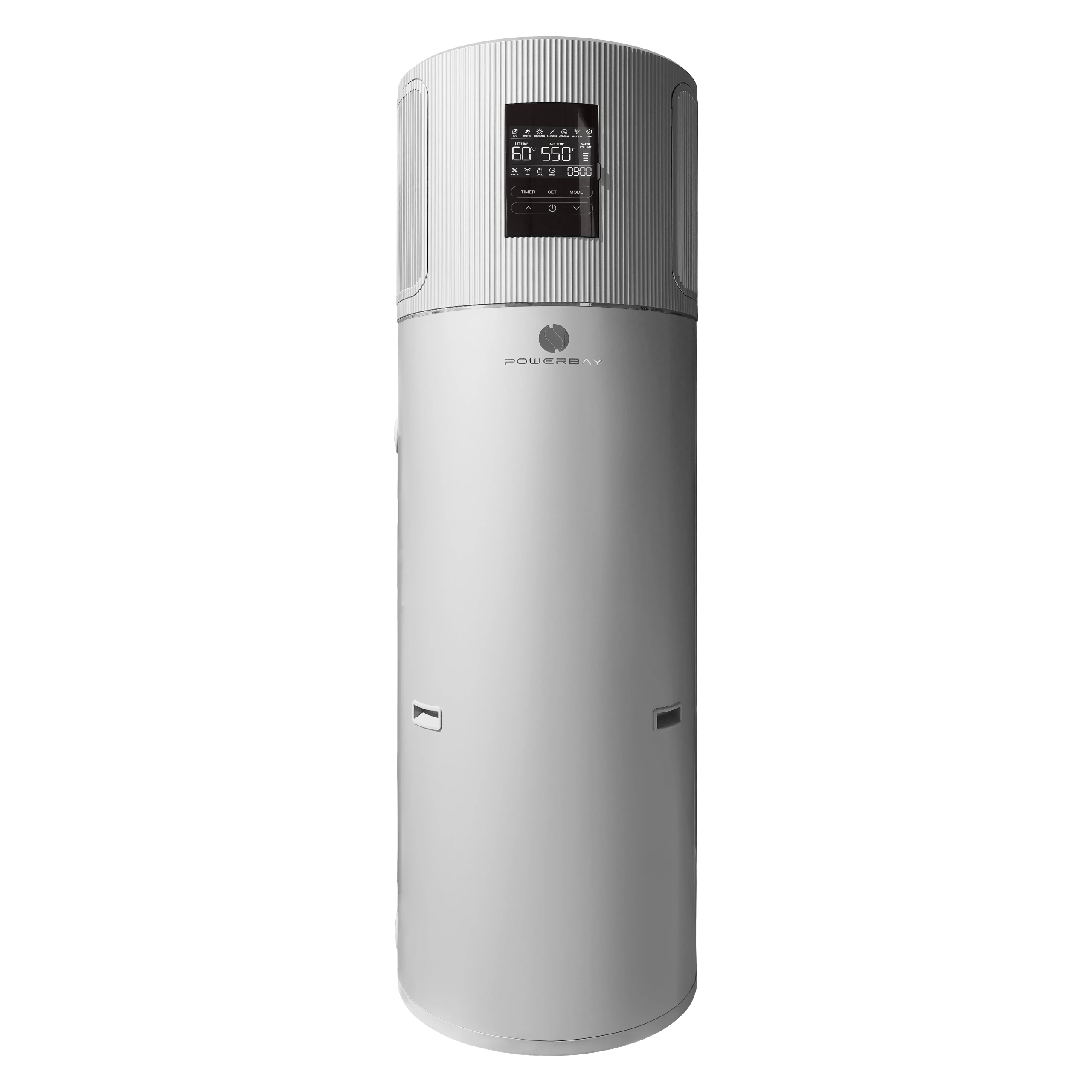
A larger-capacity hot water storage option for households comparing their hot water needs. Review its features, specifications and installation details.
Explore 300L System →Contact PowerBay to discuss product options and your installation requirements.
For installation details and warranty coverage, see PowerBay’s installation policy and warranty terms.
The following questions address some of the practical concerns that often arise when replacing a hot water system.
Check the rating plate and the manufacturer’s documentation for the model. If the information is unclear, ask your installer to identify it.
An electrical connection alone does not tell you the heating fuel: some gas systems also require electricity to operate.
It depends on the model. Some gas water heaters need electricity, so a gas connection does not guarantee hot water during an outage.
For example, Rinnai’s continuous-flow troubleshooting guide identifies electricity, water and gas as requirements for operation. Check the instructions for your particular system.
Use the calculator’s default value to explore scenarios, then seek an estimate based on your household’s hot water use.
Keep in mind that the input is heat supplied to water. Entering your whole household’s annual electricity consumption would not produce a meaningful hot-water comparison.
No. The calculator compares running costs for an assumed annual heat demand; it does not size a hot water system.
Capacity selection also needs to account for peak demand, reheating speed and the available heating hours. Ask your installer to explain how the recommended tank size will support your household’s routine.